
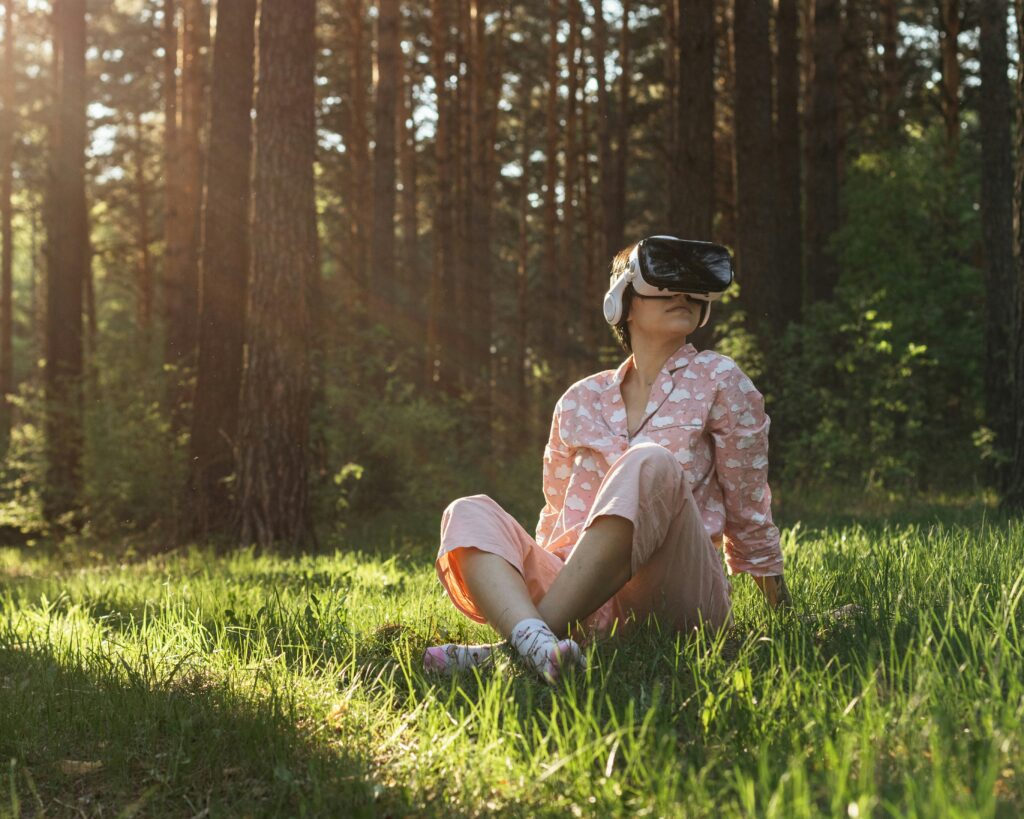
A decade ago, digital entertainment meant having the freedom to choose what to watch or listen to, when and where you wanted. Today, that freedom has expanded into a full sensory landscape. Streaming has evolved from a static experience into something interactive, adaptive, and deeply personal. Whether audiences are attending virtual concerts, exploring immersive games, or curating their own live experiences, entertainment has become a dialogue rather than a broadcast.
Beyond the screen
Streaming once offered convenience; now it offers participation. Platforms like Twitch, YouTube Live, and various esports hubs have redefined what it means to “watch.” Viewers are not just passive observers but part of a shared digital space where reactions, discussions, and interactions happen in real time. Major music events have also adapted, with artists like Travis Scott and Ariana Grande performing virtual concerts inside gaming worlds, attracting millions of participants simultaneously. These events mark a shift in cultural consumption — from witnessing something to actively being part of it.
This growing sense of presence is what drives the entertainment industry’s current transformation. Instead of being confined to the screen, content now expands outward, merging with social media, AI-driven recommendations, and even physical environments through augmented and virtual reality. The boundaries between digital and real have blurred, giving rise to an era where entertainment is not only consumed but experienced.
Personalization as performance
Artificial intelligence and data analytics have turned personalization into the backbone of modern entertainment. Algorithms study viewing habits, musical preferences, and interaction patterns to predict what users will engage with next. The goal is not only to recommend but to anticipate — to adapt dynamically as tastes evolve. On streaming platforms, playlists change daily, visual content is adjusted based on engagement time, and interactive storylines respond to user choices.

The rise of virtual and mixed-reality technologies has amplified this evolution. VR headsets and simulation-based experiences offer a depth of immersion that traditional screens cannot. In a VR art gallery, users can move among sculptures as if they were physical; in interactive cinema, audiences influence the direction of the narrative. These innovations are building a feedback loop between user and creator, where entertainment is shaped by behavior as much as it entertains it.
The rise of simulation and safe interactivity
As immersive technologies expand, simulation-based platforms are setting new standards for engagement and trust. Providers across the digital entertainment space increasingly rely on advanced design systems, transparent algorithms, and secure environments to maintain credibility and user confidence.
In this context, a Swiss online casino serves as an example of how such principles are applied: integrating real-time data processing, regulated frameworks, and user-centered design to create responsible, technologically advanced entertainment experiences. Here, interactivity is more than just participation — it’s about ensuring that engagement remains authentic, controlled, and enjoyable.
The sophistication of these virtual ecosystems reflects a broader shift in entertainment design philosophy. Experiences are built to simulate reality without replacing it, to foster connection rather than isolation.
Culture without borders
The new era of online entertainment transcends geography. Musicians can collaborate across continents in real time, while gamers compete in global tournaments watched by millions. Virtual museums allow remote visitors to explore cultural heritage, and streaming platforms offer immediate access to films from every corner of the world. The democratization of access is transforming not only what people watch but also how they perceive culture itself.
Technology has turned entertainment into a global language. An esports stream in Seoul can inspire fans in São Paulo; an indie filmmaker in Nairobi can reach viewers in New York. This borderless exchange is changing expectations of art, performance, and participation, with creativity flowing in every direction.