Backstagepage.com fun development centers baby entertainment helps parents find play centers that support early learning. The guide explains what these centers offer, how they help infants, and how families can book visits. It gives clear steps and concrete examples. It focuses on safety, play, and simple learning goals.
Key Takeaways
- Backstagepage.com features fun development centers that offer safe, structured play environments enhancing babies’ motor, language, and social skills.
- These centers provide age-specific activities like tummy time for newborns and obstacle courses for toddlers, supporting natural early development.
- Parents can easily search, book, and prepare for visits through backstagepage.com, which includes filters for age, price, and staff credentials.
- The centers combine play with light learning and caregiver coaching to reinforce skills both during visits and at home.
- Staff maintain strict safety and cleaning protocols and provide personalized feedback to track each baby’s progress over time.
What Are Fun Development Centers And Why They Matter For Babies
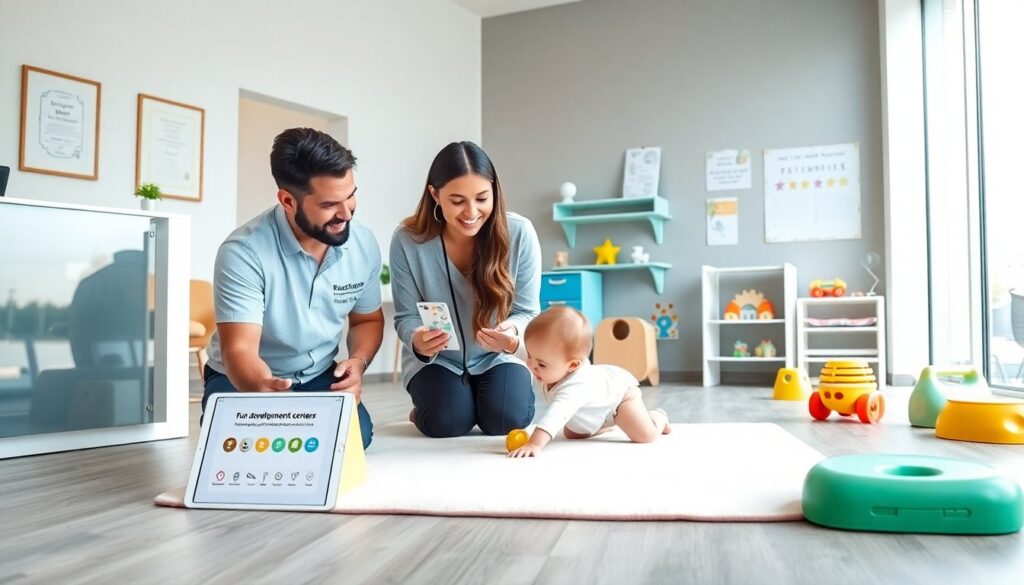
Fun development centers fill gaps in home play by offering structured activity, social exposure, and skill practice. The centers on backstagepage.com fun development centers baby entertainment list use safe equipment, trained staff, and short sessions. They provide sensory zones, floor play, and caregiver-led classes. Researchers link varied sensory input to better motor and language progress in early months. Parents visit a center to boost social skills, to practice sleep-time cues, or to try simple routines with staff guidance. A center schedules sessions by age so infants meet peers near the same stage. The staff notes each baby’s responses and suggests next steps. They also record concerns and share them with families. Many parents cite improved tummy-time tolerance and longer, calmer car rides after a few center visits. The centers follow local health rules and use cleaning routines between sessions. Backstagepage.com fun development centers baby entertainment lists centers with current health protocols. They update listings so families see accurate hours, capacity limits, and instructor credentials. A parent can scan profiles, read short reviews, and view photos before a first visit. The centers combine play and light learning to make visits feel natural and helpful for both baby and caregiver.
Programs And Activities That Boost Early Development
A center designer plans programs to target motor skills, language, and social interest. Backstagepage.com fun development centers baby entertainment entries show common program types. They list sensory play, music and movement, gentle obstacle mats, peek-a-boo stations, and caregiver coaching. Staff use short songs and simple signs to prompt babbling. They use toys that respond to touch to teach cause and effect. They encourage reaching by placing colorful objects within sight. They guide caregivers through simple games that repeat daily at home. Staff suggest quick home routines to reinforce session gains.
Age‑And Stage‑Specific Activity Examples (Newborns, 6–12 Months, 12–24 Months)
Newborns: Staff offer short tummy-time breaks with gentle support. They show caregivers how to place a high-contrast card to focus the baby’s gaze. They sing soft, short songs while holding the baby upright. They use gentle massage and paced rocking to calm fussy infants. These activities on backstagepage.com fun development centers baby entertainment pages aim for 3–10 minute stretches per visit.
6–12 Months: Staff set up soft obstacle paths to encourage crawling and pulling up. They place sound toys slightly out of reach to prompt crawling. They introduce simple sign words during routines. They play turn-taking games to build early social rules. They model first words and encourage imitation. Parents can try the same games at home after watching a demo.
12–24 Months: Staff add push toys and low climbing steps to build balance. They arrange pretend-play corners to spark symbolic play. They read short interactive books and pause for baby response. They run short group songs that require simple movement. Staff record progress and suggest next play goals. Listings on backstagepage.com fun development centers baby entertainment let parents filter centers by which age-focused activities staff offer.
How To Choose, Book, And Prepare For A Visit To A BackstagePage Center
A parent should use clear criteria when they select a center. Backstagepage.com fun development centers baby entertainment provides search filters for age, class length, price, and credentials. A parent should check cleaning routines, staff certifications, and list of offered activities. They should read recent reviews and scan photos. They should confirm parking and stroller access.
Booking: The site shows available times and lets a parent reserve a spot online. It sends a confirmation email and a short reminder before the class. A parent can choose a drop-in session or a small-course package. They can add a sibling or request a one-on-one consult if they prefer.
Preparing for the visit: A caregiver should pack a diaper, a change of clothes, a familiar small toy, and a feeding item if needed. They should arrive 10 minutes early to check in and to let the baby adjust to the space. They should dress the baby in simple layers for movement. The staff will show where to store a bag and where to change a diaper.
During the visit: The staff will explain the session flow and the learning goal. They will invite caregivers to join activities and to practice prompts. They will note any safety concerns and will adjust a game if a baby seems overwhelmed. They will give a short takeaway sheet with two home activities to try that week.
Follow-up: The site lets families rate a class and leave a short note. Staff often send brief progress notes by email. Families can book repeat visits to track progress. Listings on backstagepage.com fun development centers baby entertainment show cancellation policies and refund rules so a parent can plan without surprise.