
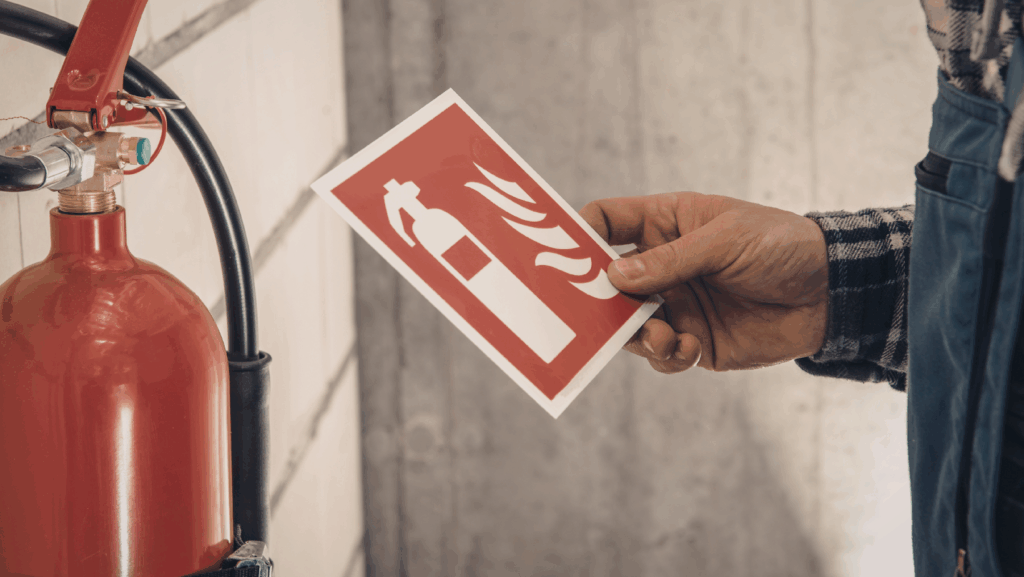
Substations concentrate valuable equipment into a small footprint so that a single transformer fire can become far more than an isolated event. When heat, flame, and burning oil spread to adjacent assets, operators can lose multiple transformers, control cabinets, and cable systems in the same incident. That creates a cascading failure where one fault triggers secondary outages, protective trips, and prolonged restoration work that extends well beyond the substation fence line. Fire protection barriers are one practical way to break that chain reaction. They do not prevent every fire from starting, but they can slow the spread of flame, limit radiant heat exposure, and give protection systems and responders more time to act. When barriers are integrated with drainage, detection, and layout planning, they help keep a transformer fire from escalating into a system-wide reliability event.
What This Guide Covers
- How Transformer Fires Escalate Inside a Yard
Transformer incidents often escalate due to the energy stored in the insulating oil and the proximity of adjacent equipment. When an internal fault causes arcing, oil can vaporize and pressurize the tank, sometimes resulting in a rupture and a fireball or oil-spray event. Once oil is burning, the fire produces intense radiant heat that can ignite nearby combustibles, degrade cable insulation, and damage control wiring in trays and conduits. Even if neighboring transformers do not ignite immediately, sustained heating can compromise bushings, seals, and paint systems, increasing the risk of leaks and triggering additional faults. Substations also contain structures that can channel heat, such as steel frames, walls, and cable trenches, which can transfer thermal energy into sensitive areas. Wind direction matters as well, because flame and hot smoke can bend toward adjacent equipment and spread embers. In many cascading failures, the second and third losses happen not because those units were initially faulty, but because they were exposed to heat long enough for their components to fail. Barriers are meant to reduce that exposure by acting as a physical shield and a thermal break, so the fire has fewer pathways to jump from one asset to another.
- Barrier Function as a Thermal and Flame Break
Transformer fire barriers work by interrupting the primary mechanisms that drive escalation: radiant heat, direct flame contact, and the movement of burning oil. A properly placed barrier blocks line-of-sight radiation between transformers, which can significantly reduce heat flux on adjacent tanks and cable terminations. That matters because radiant heat can cause ignition or failure even without direct contact. Barriers also deflect flame and hot gases, changing the fire plume path so it rises and dissipates rather than washing across neighboring equipment. In addition, barriers can help contain oil spray patterns during ruptures, reducing the risk that burning liquid reaches another transformer or a cable trench opening. The overall effect is time. By slowing the spread, barriers provide more minutes for protective relays to isolate equipment, for onsite crews to activate suppression or deluge systems, and for emergency responders to establish safe approach distances. Fire Barrier Experts is a phrase often associated with engineered barrier solutions that focus on material performance under high heat and practical constructability in active yards. The key is that barriers are not decorative walls. They are risk controls designed to predictably change fire dynamics.
- Reducing Cascading Outages and Protection Complications
Cascading substation failures are not only a fire problem but also a protection and operations problem. When multiple assets are damaged, protective devices may trip in overlapping patterns, making it harder for operators to identify the original fault and restore partial service. Damage to control wiring and communication lines can turn off breaker operation or relay telemetry, slowing isolation and increasing the area of outage. Fire barriers indirectly support protection by helping preserve the equipment that protection systems rely on, including control cabinets, marshalling kiosks, and cable runs. Keeping these systems intact increases the chance that breakers and disconnects operate as intended and that operators can see accurate indications during the event. Barriers also reduce the likelihood of secondary faults caused by heat-related insulation breakdown on adjacent equipment. That means fewer unexpected trips, fewer short circuits in cable trenches, and fewer forced shutdowns of neighboring bays. From a system standpoint, preventing the loss of a second transformer can be the difference between a local interruption and a regional capacity deficit. The barrier is therefore part of reliability engineering, not just a fire safety measure.
Containing Substation Damage
Transformer fire protection barriers reduce cascading substation failures by limiting the spread of heat, flames, and burning oil to neighboring equipment. By blocking the line of sight to radiant heat and redirecting fire plumes, barriers slow the escalation and create valuable time for protection systems and responders to isolate the incident. They also help preserve control wiring, communication links, and nearby bays, reducing secondary faults and simplifying restoration. When paired with drainage, separation planning, and rapid detection, barriers shift a transformer fire from a multi-asset disaster toward a contained event with localized damage. Effective barrier performance depends on correct height, placement, material stability, and coordination with suppression and access needs. With these elements in place, substations gain a practical layer of resilience that protects reliability, reduces repair scope, and lowers the chance that one transformer incident becomes a cascading outage.