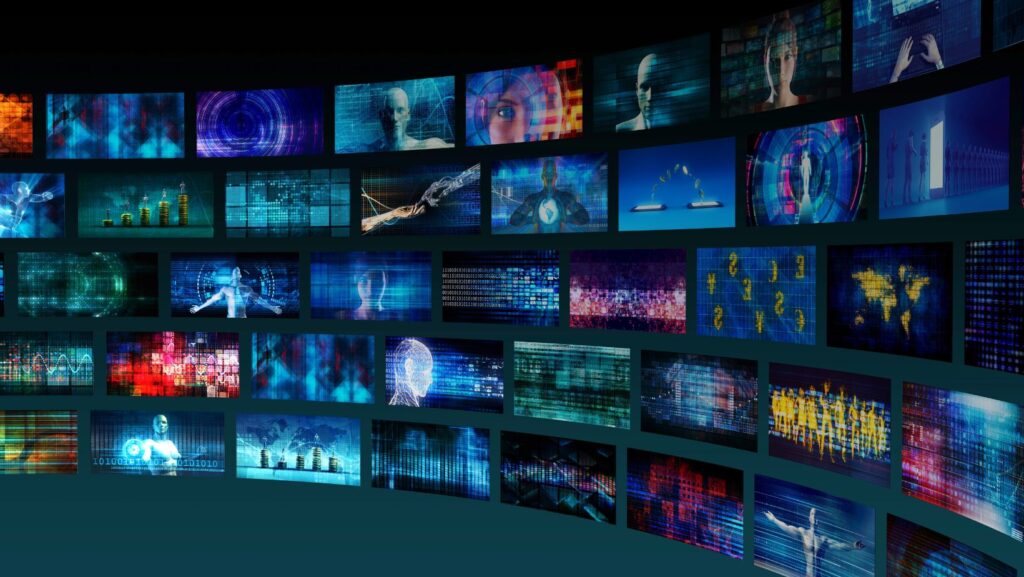
Entertainment and technology have always danced, but the last decade has accelerated that dance in ways, shapes, and flavors that feel novel even to the seasoned viewer. What used to be all about showtimes and premieres in cinema and prime time and physical media is now thriving in a digital ecosystem where watching and playing share space across a constellation of platforms.
To those who grew up with blockbusters and episodes once a week, this shift does not really eradicate the old formats. It layers fresh experiences atop them, reshaping how we consume stories and how we spend our downtime.
The awards culture is moving toward that, too. Streaming films will stand shoulder to shoulder with their theatrical brethren, and fully online series will drive conversations that once dominated network television. Meanwhile, interactive digital entertainment grows alongside passive viewing, giving audiences more ways to engage even after the credits roll.
From Event Viewing to On-Demand Living
There was a time when the film or major TV episode was a communal moment tied to a place and a time. The cinema premiere, or at least the weekly broadcast, created anticipation through scarcity. Digital platforms have rewritten that bond. Content is now available on demand, across devices, and often worldwide at the exact same moment.
That accessibility has changed how we watch: people binge entire seasons, rewatch instant classics with ease, and dive into international content with abandon. The discussions around awards have changed, too, with the streaming releases blurring the line between film and TV while expanding what constitutes prestige.
The big screen still commands power in spectacle and shared experience. But the digital world has made storytelling more personal, portable, and constant.
Interactive Entertainment Finds Its Rhythm
As watching evolved, so did play. Video games once lived on consoles and in long, dedicated sessions; now interactive entertainment fits into daily life: mobile games, browser-based play, and live digital experiences let people engage for minutes or hours, depending on mood and schedule.
This blending of watching and playing has led to crossover behavior. Many people who watch content unwind by participating in digital platforms that provide light interaction rather than simple viewing.

Some people may be interested in gameplay inspired by cinematic ideas, while others may choose platforms that are recommended by Online-Casinos.com for the best payout casinos in a larger phenomenon of more polished, visually oriented digital entertainment.
Design is at the core. In the same way that audiences have come to expect high production values from their prestige TV, they now want and expect the same polish from interactive experiences.
Storytelling That Transcends the Screen
Today’s storytelling doesn’t conclude when a film finishes or a season premiere terminates. Digital spaces extend these artifacts with companion content, behind-the-scenes looks, and fan conversation. Social media, forums, and long-form journalism serve as companion pieces to today’s viewing.
Publications and outlets such as The Star often explore how entertainment habits intersect with digital trends, showing fluid audiences between watching, reading, and playing. That multi-layered engagement keeps stories alive a long time after their initial release window.
For awards-driven audiences, this is an ongoing conversation that cements perception and legacy. One judges a film’s cultural impact by not just box office or ratings but by its digital footprint and staying power in online discourse.
Convenience With No Compromise On Quality
A common concern about digital entertainment was that ease would dull quality. Much of the opposite has happened: Competition among platforms really has pushed bigger budgets, bolder storytelling, and technical leaps.
Viewers want to see theater-quality visuals in their living rooms, and streaming services deliver the goods. Similarly, interactive platforms invest deeply in user experience, sound, and visual identity. The result of this convergence is a narrowing divide between traditional and digital entertainment and a new standard of excellence.
For consumers, it means choice without compromise. One evening can fluctuate from a critically acclaimed film to a premium and interactive digital experience.
The Place of Awards in a Digital Era
Awards bodies now operate within this broader ecosystem. Eligibility rules evolve, categories shift, and discussions widen. Digital-first releases challenge old definitions of what makes a film or a series worthy of recognition.
Meanwhile, awards coverage has also become more dynamic: online viewing allows audiences to sample nominees, compare performances, and join discussions in real time. Such access tightens engagement rather than weakening it.
The digital era hasn’t diminished the importance of the awards; instead, it has extended their reach.
Looking Ahead: A Hybrid Future
The future of entertainment is not a question of a choice between the big screen and the digital world; it’s about fusing both. Theaters remain cultural anchors, while digital platforms keep offering newfound flexibility and experimentation. Watching and playing continue to fuse into experiences that are richer and more personal.
For the lover of storytelling, craft, and ingenuity, this is a more varied era than ever before. The screen might be smaller or more portable, but the ambition driving what flickers across it has never been greater.