BackstagePage helps creators publish a public page for shows, profiles, and behind-the-scenes updates. It serves cast, crew, promoters, and fans. The introduction explains the main use, the key features, and the expected results. It sets the stage for setup, design, SEO, and growth steps that follow.
Key Takeaways
- A BackstagePage offers creators a streamlined public web page to showcase shows, team bios, media, and event details, enhancing discoverability and fan engagement.
- Ideal users include independent performers, small theaters, podcasters, and promoters who need a fast, focused page for event promotion, crowdfunding, or press kits.
- Set up a BackstagePage by choosing a matching domain, hosting with CDN and SSL, adding key sections in order, and promoting it via social channels and targeted ads.
- Design for usability with fast load times, clear calls to action, optimized images, and simple navigation to improve user experience and retention.
- Align layout and branding with event themes using linear or grid formats, sticky navigation, and consistent voice to maintain a professional appearance.
- Optimize BackstagePage SEO with concise metadata, structured data, alt text, privacy notices, analytics tracking, and ongoing maintenance to maximize visibility and conversions.
What Is A BackstagePage? Purpose And Core Features
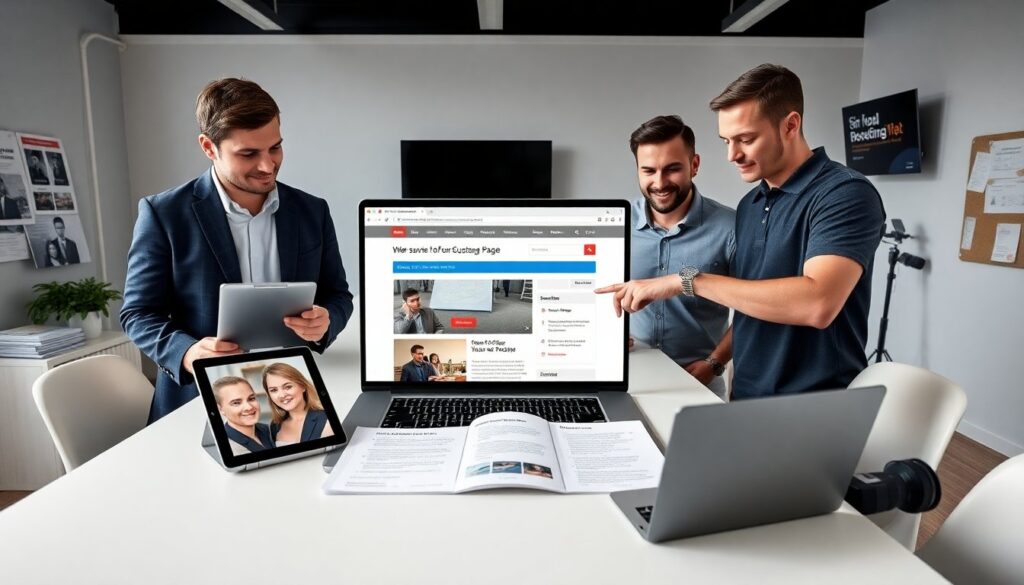
A BackstagePage is a single web page that shares show details, team bios, media, and signup forms. It gives creators a compact, discoverable space for updates. Core features include a hero section, event list, contact form, image gallery, embedded video, and ticket links. It supports analytics and simple SEO fields. Many platforms let users connect a custom domain and add payment or donation buttons. The BackstagePage helps fans find shows and helps teams collect emails and payments.
Who Should Use A BackstagePage And Top Use Cases
Independent performers, small theaters, podcasters, production crews, and promoters should use a BackstagePage. It fits anyone who needs a focused, fast-loading public page. Use cases include event promotion, cast portfolios, tour schedules, audition notices, and crowdfunding campaigns. A group can use a BackstagePage as a press kit with contact details and downloadable assets. Teams use it to centralize links for social profiles, ticket platforms, and streaming channels. The page suits short-term runs and ongoing projects.
Step-By-Step Setup: Domain, Hosting, Launch, Promotion, And Monetization
Choose a short domain that matches the show or brand name. Pick a hosting plan with fast CDN and SSL included. Install the BackstagePage template or builder and connect the domain. Add page sections in this order: hero, events, media, team, contact. Test the page on mobile and desktop. Launch the page and announce it on social channels and mailing lists. Promote with paid ads targeting local interests or fans of similar acts. Monetize with ticket links, memberships, tip jars, and branded merch links. They should track revenue sources in analytics.
Design, Content, And UX Best Practices
Design for scannability and fast load times. Limit fonts and keep color contrast high. Use large headings and clear calls to action. Place the most important link in the hero area. Images must be optimized and captioned. They should use short paragraphs and bullet lists for easy reading. Navigation should stay simple and consistent across devices.
Choosing Layouts, Navigation, And Branding
Select a linear layout for events and a grid for portfolios. Use sticky navigation when the page grows beyond one screen. Keep the logo small in mobile view to save space. Align brand colors with poster art and social profiles. Use one voice across headlines and buttons. They should keep labels clear, for example: Tickets, Schedule, Media, Contact.
SEO, Privacy, Analytics, And Ongoing Maintenance
Add a concise title tag and a meta description that mentions BackstagePage and the main event. Use structured data for events to enable rich results. Add alt text to all images and use readable URLs. Respect visitor privacy by adding a simple cookie notice and a clear contact email. Connect Google Analytics or another tracker and set goals for ticket clicks and signups. Schedule a monthly check to update dates, media, and links. Run a speed test after major changes and fix broken links promptly.