
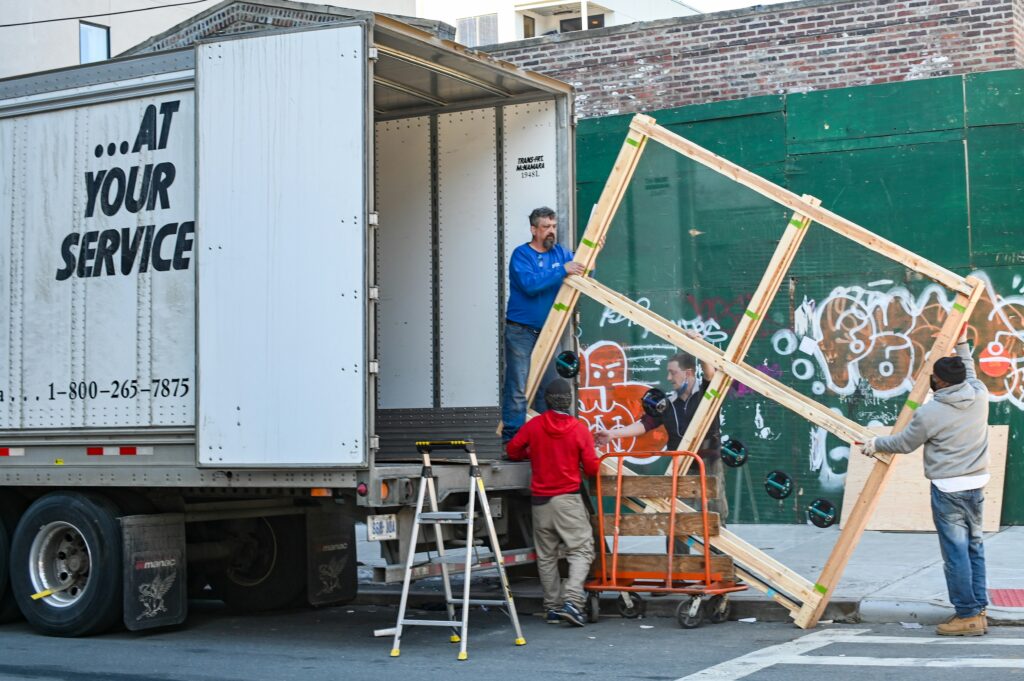
Relocating under time pressure can feel overwhelming, particularly when work responsibilities, family commitments, and property deadlines converge. A compressed timeline reduces flexibility and magnifies small mistakes, making coordination with a moving company a critical factor in whether the process runs smoothly. We will explore how to approach a fast-approaching move with structure, clarity, and disciplined communication so that logistics remain controlled rather than chaotic. When every hour matters, preparation and coordination become operational priorities rather than optional tasks. By understanding how movers schedule crews, allocate trucks, and plan routes, you can align your actions with their workflow and prevent avoidable delays that could disrupt closing dates, lease turnovers, or travel plans.
Strategic Coordination When Time Is Limited
- Confirm Availability and Scope Immediately
When you are working within a narrow timeframe, the first priority is to confirm availability and define the scope precisely. Many people begin by searching for movers near me, but speed should not replace clarity when selecting a provider. Movers operate on routing schedules that group jobs by geography and truck capacity. Calling early in the day and providing exact dates, property type, square footage, elevator access, and inventory size allows dispatch teams to determine whether they can accommodate your move without overcommitting resources. Avoid vague descriptions; provide measurable details such as the number of rooms, large furniture pieces, and fragile items.
If you are downsizing or relocating from a multi-level property, disclose stair access and parking constraints. Clear scoping reduces the risk of underestimating labor hours, which can lead to cascading delays later in the day. Request written confirmation of the scheduled arrival window and estimated duration so you can structure your packing and cleaning timeline around it. Time-sensitive relocations demand decisive communication rather than tentative planning.
- Streamline Packing Before Movers Arrive
On a tight schedule, packing efficiency directly influences loading speed. Professional crews can pack for you, but if you intend to handle packing independently, your preparation must be systematic. Begin by eliminating nonessential items through donation or disposal; reducing volume shortens loading time and lowers transportation costs. Label boxes clearly by room and priority level so unloading follows a logical sequence at the destination. Keep hardware, screws, and assembly components in sealed, labeled bags attached to corresponding furniture. Consolidate fragile items in reinforced cartons and avoid mixing heavy and delicate contents.
When movers arrive, pathways should be unobstructed, and boxes should be sealed and staged near the exit point. This reduces walking time and increases productivity per labor hour. Efficiency during the loading phase determines whether the crew can stay on schedule for subsequent jobs, ultimately affecting your move completion time.
- Designate a Single Decision-Maker
Compressed timelines leave little room for conflicting instructions. Designate one individual as the primary contact for the moving crew. This person should have the authority to answer logistical questions regarding placement, disassembly, or last-minute adjustments. When multiple family members provide different directions, productivity declines and misunderstandings increase. Provide the team leader with a printed layout of the new property if possible, including notes about room assignments and fragile zones. Keep your phone accessible throughout the move in case parking or building management issues arise. Quick decision-making maintains operational flow. In apartment buildings or gated communities, secure elevator reservations and access codes in advance. The fewer interruptions movers encounter, the more likely your relocation will stay within the projected timeframe. Clear leadership reduces friction and keeps the move structured even when external pressures are high.
- Prepare for Contingencies and Delays
Even the most carefully organized move can encounter variables such as traffic congestion, weather shifts, or building access restrictions. When working within a narrow window, build contingency buffers into your schedule. Avoid booking cleaning crews, internet installation, or final walkthroughs immediately after the projected unloading time. Allow a margin of several hours to accommodate unforeseen developments. Keep essential documents, medications, chargers, and valuables in a personal bag that travels with you rather than in the truck. If closing on a property the same day, confirm key exchange timing and ensure utilities are active before arrival. Proactive contingency planning prevents minor delays from escalating into critical disruptions. Movers operate within physical and regulatory constraints; acknowledging those realities and planning around them strengthens your ability to adapt without panic.
- Maintain Transparent Financial Planning
Time pressure often increases costs due to expedited scheduling, additional labor, or short-notice bookings. Request a clear written estimate outlining labor hours, travel charges, packing materials, and potential surcharges. Clarify payment methods and timing requirements before moving day to avoid administrative slowdowns. If your schedule is dictated by a job relocation or property sale, coordinate reimbursement documentation in advance. Financial clarity reduces stress and prevents disputes that can delay truck departure. Keep copies of contracts and inventory lists readily available. When expectations around pricing and scope are aligned, movers can focus entirely on operational execution rather than resolving misunderstandings. Budget awareness is not merely a financial concern; it is a logistical safeguard when deadlines are non-negotiable.

Moving under a compressed timeline requires disciplined coordination, rapid decision-making, and proactive communication. When structured correctly, even a tight schedule can be managed without sacrificing organization or care. Aligning your preparation with the operational rhythm of a moving company reduces inefficiencies and prevents last-minute surprises. Clear scoping, streamlined packing, single-point leadership, contingency planning, transparent budgeting, and destination readiness collectively create a framework that supports speed without disorder. By approaching your relocation as a coordinated project rather than a reactive scramble, you maintain control over timing and outcomes. A focused, methodical strategy ensures that deadlines are met while your belongings transition safely from one space to the next.