

Choosing between a fuse box and a circuit breaker panel is not simply a matter of replacing old hardware; it is a decision that affects safety, electrical performance, insurance eligibility, and future expansion plans. Many homeowners encounter this question during renovations, when purchasing a property, or when persistent electrical issues begin to surface. We will explore how each system functions, where each fits within modern residential infrastructure, and what practical considerations should guide your decision. By understanding design differences, maintenance demands, and long-term implications, you can evaluate which solution aligns with your home’s electrical load and future growth.
Key Differences That Define Performance and Safety
- Operational Mechanism and Response to Overloads
A fuse box uses individual fuses with a thin metal strip that melts when excessive current flows through the circuit. When the strip melts, the circuit opens, and power stops immediately. This is a single-use protective device; once the fuse blows, it must be replaced manually. In contrast, a circuit breaker panel relies on electromechanical switches that trip when an overload or short circuit is detected. Instead of replacing a component, the homeowner resets the breaker by switching it back to the “on” position after resolving the fault.
This distinction influences convenience and downtime. In a fuse system, keeping replacement fuses on hand is essential. With breakers, restoration is faster and more straightforward. However, fuse systems are often praised for their precise current interruption, as they respond quickly and predictably to overcurrent conditions. Breaker panels, meanwhile, offer adaptability and are designed to handle the dynamic electrical demands of modern households, including computers, HVAC systems, and high-wattage kitchen appliances. When evaluating these differences in real-world residential settings, JDV Electric often emphasizes aligning system selection with current load calculations and future expansion planning to ensure reliable performance and reduced service interruptions.
- Electrical Capacity and Modern Load Requirements
Electrical consumption in residential settings has expanded significantly over the past few decades. Homes now operate multiple large appliances simultaneously, along with home offices, entertainment systems, and electric vehicle chargers. Traditional fuse boxes, especially those installed decades ago, may have been rated for 60 to 100 amps. While that was adequate for earlier living standards, it can strain under contemporary demand. Circuit breaker panels are commonly configured for 100, 150, or 200 amps, with room to expand circuits as needed. This higher amperage capacity allows for better power distribution across multiple branch circuits.
If a homeowner plans to add new appliances, remodel a kitchen, or finish a basement, a breaker panel offers greater scalability. Electrical contractors frequently evaluate service entrance capacity, conductor sizing, and panel bus ratings when determining the feasibility of upgrades. In many jurisdictions, insurers and home inspectors view breaker panels as more aligned with present-day electrical codes, which may influence property valuation and policy terms.
- Safety Features and Code Compliance
Modern breaker panels incorporate advanced protective technologies such as Arc Fault Circuit Interrupters (AFCIs) and Ground Fault Circuit Interrupters (GFCIs). These devices reduce the risk of electrical fires and shock hazards by detecting abnormal arc patterns or leakage currents. Fuse boxes, particularly older installations, are typically not compatible with these protective enhancements. While a properly maintained fuse system can still operate safely, it does not offer the integrated fault-detection capabilities found in contemporary breaker panels.
Another concern with fuse boxes is the risk of over-fusing, where a homeowner installs a fuse with an amp rating higher than the circuit wiring can safely support. This practice compromises conductor protection and increases the risk of fire. Breaker panels are designed to minimize such user error because breakers are matched to circuit ratings and are not easily substituted with devices of incorrect amperage. Building codes in many regions now encourage or require breaker panels for new installations because of their enhanced safety features.
- Maintenance, Troubleshooting, and Long-Term Reliability
Routine maintenance considerations differ significantly between fuse boxes and breaker panels. Fuse systems require replacing blown fuses, which may involve shutting off power and ensuring the correct amperage rating. Over time, corrosion at fuse contacts can also impact reliability. Circuit breaker panels require periodic inspection to ensure secure terminations, absence of overheating, and proper breaker operation. Although breakers can degrade after repeated tripping events, they are generally engineered for long service life.
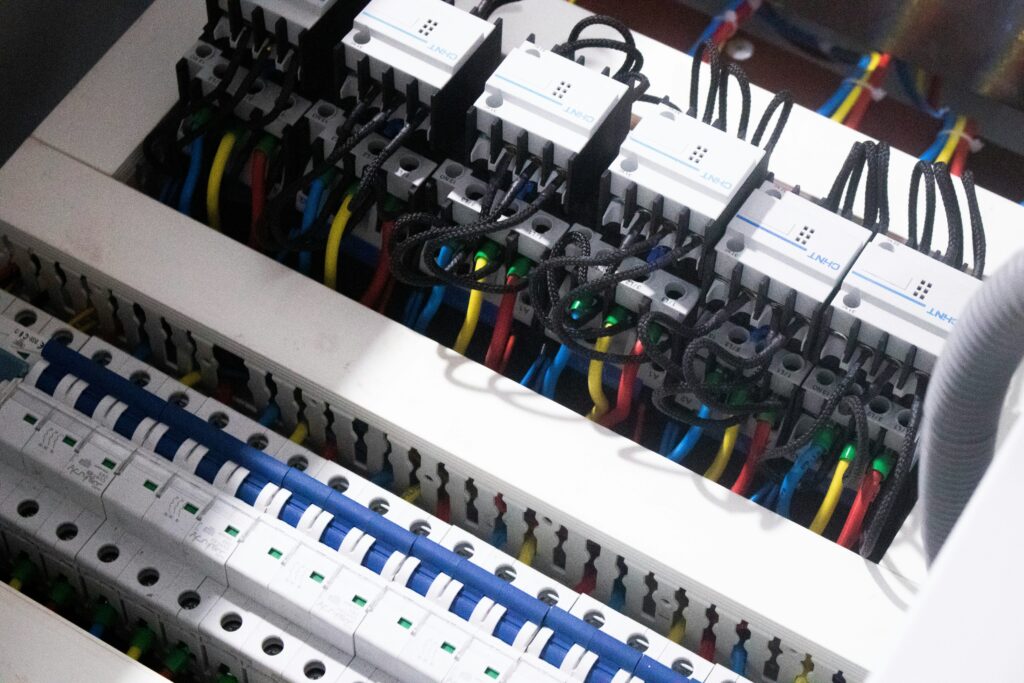
Troubleshooting is typically more straightforward with breakers because the tripped switch visibly indicates the affected circuit. With fuses, diagnosing a failure may require removing and visually inspecting multiple units. From a lifecycle perspective, breaker panels offer easier expansion by adding new breakers when slots are available. Fuse boxes usually have limited flexibility, making system growth more complicated. Homeowners planning significant electrical additions may find that breaker panels are better aligned with evolving infrastructure demands.
Selecting between a fuse box and a circuit breaker panel ultimately depends on your home’s electrical load, renovation plans, and tolerance for maintenance complexity. While fuse systems can still perform reliably under certain conditions, they often lack the scalability and integrated safety features demanded by modern living. Circuit breaker panels provide easier resets, compatibility with advanced protective devices, and greater capacity for expansion. By assessing both immediate functionality and future growth, homeowners can align their electrical infrastructure with safety, performance, and property value considerations.