
Remote and hybrid work have changed what residents expect from luxury apartments, because the home now has to support focus, video calls, and long hours of comfortable daily living. A stylish kitchen and a rooftop lounge still matter, but they no longer carry the entire experience if the unit feels noisy, dim, or awkward for a workday routine. Modern luxury renters often look for layouts that create a clear boundary between work and rest, reliable connectivity that doesn’t drop during meetings, and building amenities that extend the home office when the unit feels too small. Comfort systems, lighting, and acoustics play a larger role because a resident may spend eight to ten hours a day indoors, not just in the mornings and evenings. The most successful remote-friendly luxury buildings are the ones that treat work as a lifestyle layer woven into design, operations, and community spaces, rather than a temporary add-on.
Comfort, privacy, and productivity
- Layout planning that protects focus and daily flow
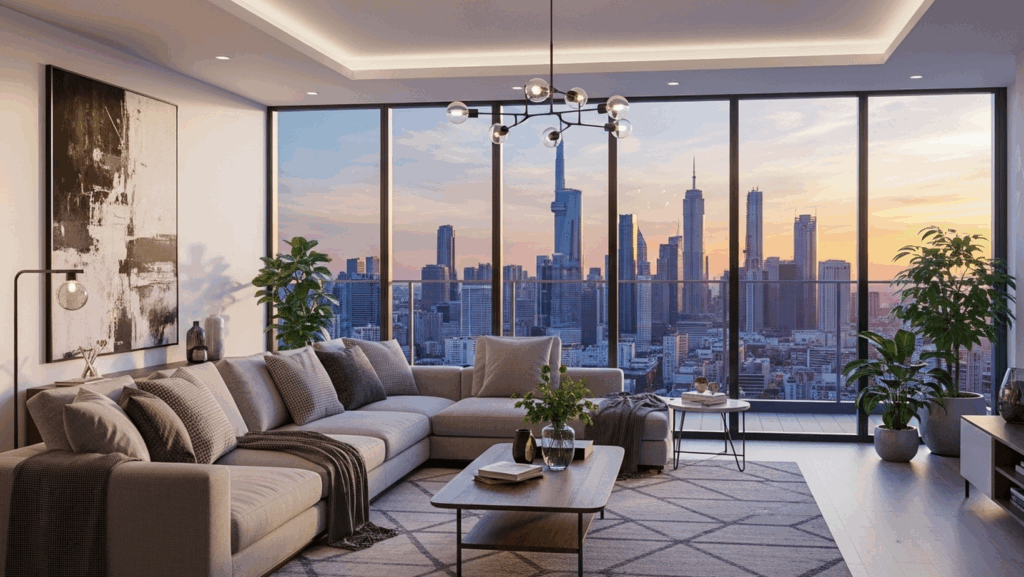
Floor plans matter more when the apartment must host both work and personal life. Remote-friendly luxury units often include a defined den, an alcove, or a flexible room that can accommodate a desk without turning the living room into a permanent office. Even in open layouts, smart zoning is evident in furniture-ready wall lengths, recessed nooks, and outlets placed where a desk naturally belongs. Residents appreciate the separation because it reduces visual clutter and supports smooth transitions between work and home modes. Storage also becomes a work feature, since concealed shelving, cable management, and closets sized for office gear prevent the unit from feeling crowded. Lighting design supports productivity, too. Daylight placement, glare control, and layered lighting allow screens to be used comfortably without harsh reflections. Window treatments that reduce afternoon heat and brightness can make a work corner usable year-round, while maintaining a polished aesthetic. Building operators sometimes include move-in guides that help residents place desks for better lighting and quieter zones. In marketing, some properties encourage prospects to view our site to explore floor plans and amenity spaces. Still, residents tend to decide based on whether the layout supports an everyday work rhythm without constant compromises.
- Connectivity and tech infrastructure that feels invisible
Work-from-home living depends on reliable, fast, and consistent connectivity across the unit and common areas. Luxury apartments that cater to hybrid routines invest in strong building-wide internet options, dense Wi-Fi coverage in amenity spaces, and telecom wiring that supports modern routers without ugly cable runs. Residents often want support for multiple devices, stable video calls, and low-latency performance for cloud apps. The unit’s tech readiness matters as much as the provider. Well-placed Ethernet ports, smart panels, and power access near likely desk locations reduce the need for extension cords and awkward setups. Sound and video calls also benefit from integrated smart home features, such as programmable lighting scenes, quiet ventilation settings, and secure package delivery, which reduce interruptions during the day. Access control is part of the hybrid story, too, since residents may receive work equipment deliveries and need a safe, trackable pickup. A remote-friendly building treats these systems as core infrastructure, not optional upgrades, and keeps them easy to use so residents do not spend their lunch breaks troubleshooting.
- Acoustics, privacy, and indoor comfort during work hours
Noise control becomes a defining luxury feature when residents are on calls and concentrating for hours. Acoustic performance comes from multiple layers: wall assemblies that reduce sound transfer, quality windows that block street noise, door seals that reduce hallway sound, and flooring systems that limit impact noise from neighbors above. Remote-friendly buildings often add phone-booth-style rooms, reservable micro-offices, or quiet lounges that provide a professional environment without leaving the property. Indoor comfort is equally important because productivity drops when rooms feel stuffy, drafty, or inconsistent. Better ventilation, stable temperature control, and balanced humidity support focus and reduce fatigue. Lighting color temperature and glare control also influence comfort, especially for camera-facing work. Privacy extends beyond sound. Layouts that keep desks out of direct sight lines from windows or corridors can reduce the feeling of being on display during the day. Amenities such as soundproof meeting rooms and acoustic pods can be a practical differentiator for hybrid workers who need occasional confidential calls. When acoustics and comfort are designed intentionally, residents feel the building supports their work, not just their leisure time.
Luxury apartments designed for remote and hybrid work lifestyles focus on layouts that protect focus, connectivity that stays stable, and acoustics that support privacy and clear calls. Comfort systems, lighting design, and noise control become daily essentials when residents spend more hours at home working. Amenity spaces evolve into an office ecosystem with coworking lounges, reservable rooms, and wellness options that help residents maintain routine and productivity. Services and community programming also adapt, offering convenience, predictable scheduling, and flexible spaces that match hybrid rhythms. When these features are integrated thoughtfully, luxury living feels aligned with modern work habits, creating homes that support both performance and relaxation without constant tradeoffs.