
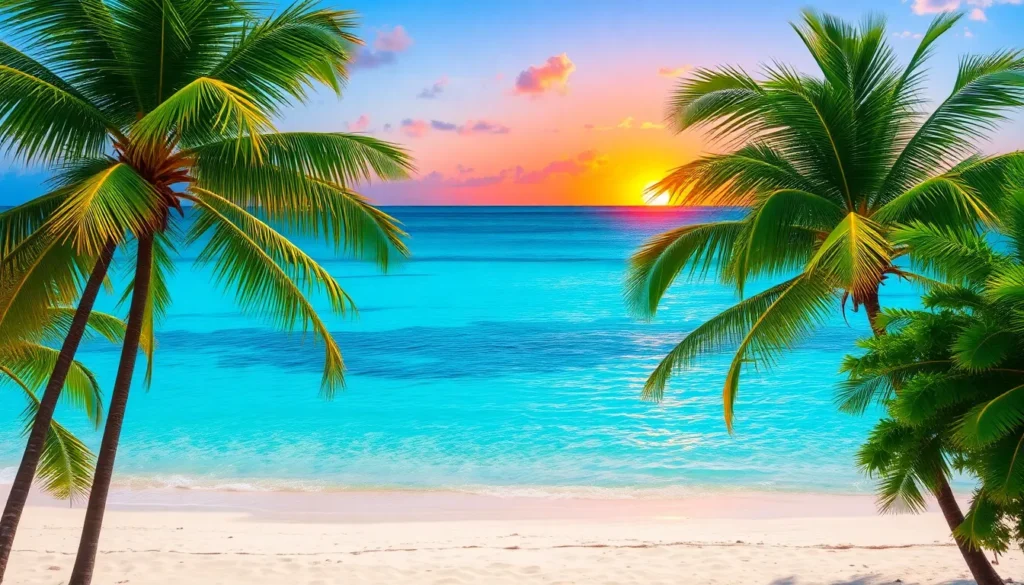
The Dominican Republic isn’t just a tropical paradise; it’s a treasure trove of surprises waiting to be uncovered. From stunning beaches to rich history, this vibrant nation packs a punch that’ll make you want to book your next vacation immediately. But wait—there’s more!
10 Interesting Facts About The Dominican Republic
The Dominican Republic occupies the eastern two-thirds of Hispaniola, an island shared with Haiti. This Caribbean nation boasts a diverse landscape that includes mountains, lush rainforests, and stunning coastlines. Visitors often enjoy its renowned beaches, such as Punta Cana and Puerto Plata, which attract millions each year.
The country, home to approximately 10.5 million residents, features a rich cultural heritage blending Taíno, African, and Spanish influences. Residents celebrate their traditions through vibrant music and dance forms like merengue and bachata. Notably, the capital city, Santo Domingo, holds the distinction of being the oldest continuously inhabited European settlement in the Americas.
Tourism fuels the economy, comprising about 17% of the GDP. Natural attractions, like the Pico Duarte, the highest mountain in the Caribbean, draw hikers and adventurers. The Dominican Republic also has several national parks, showcasing its commitment to environmental preservation.
Culinary experiences in the Dominican Republic offer a fusion of flavors, with dishes featuring rice, beans, and local meats. Additionally, coffee and cacao production rank among the country’s key exports, further enhancing its agricultural economy. Sports play a significant role in local culture, particularly baseball, which enjoys immense popularity.
Events throughout the year provide a glimpse into Dominican life, including the famous Carnival celebration held in February. Dynamic parades showcase colorful costumes and lively music, engaging locals and tourists alike. The warm weather and friendly people further elevate its appeal as a top tourist destination in the Caribbean.
Geography and Climate
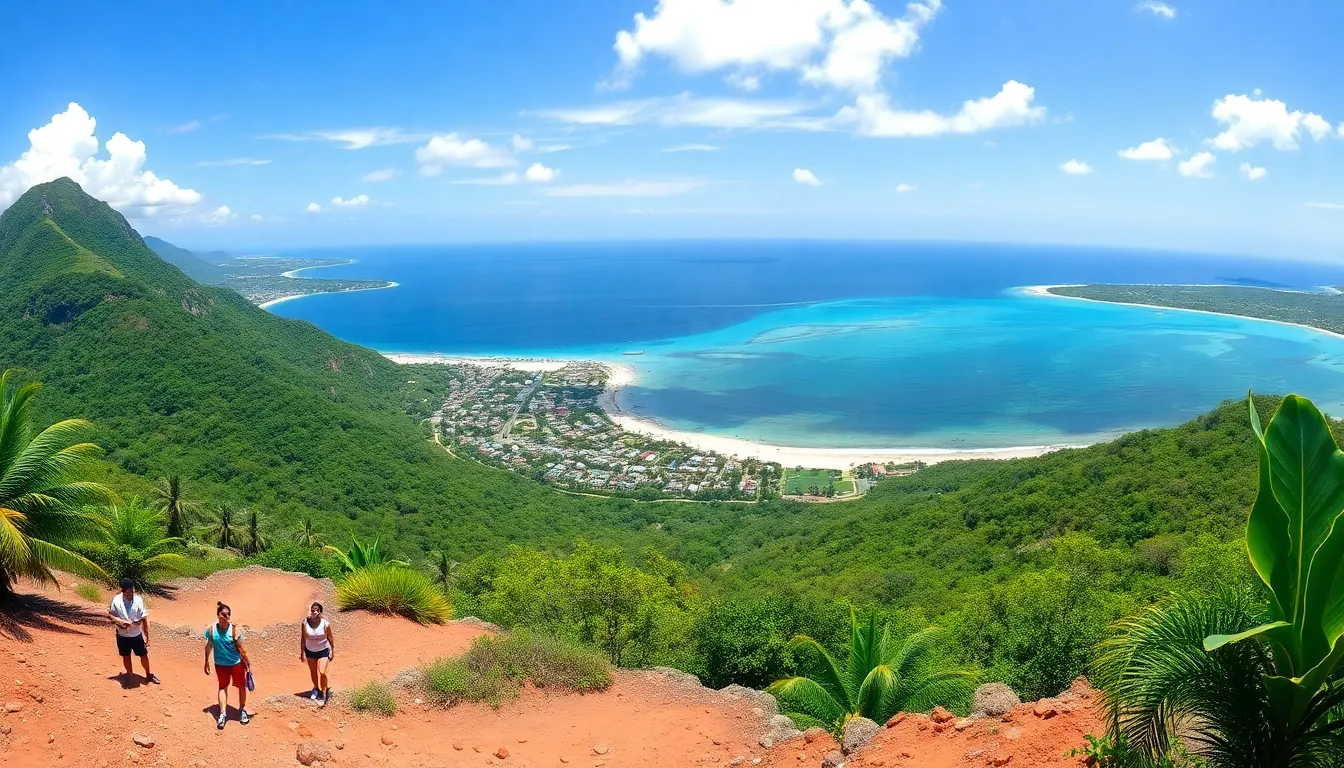
The Dominican Republic features a varied geography and a tropical climate that enhance its natural beauty.
Major Cities
Santo Domingo, the capital city, stands out for its historical significance and vibrant culture. Santiago, the second-largest city, offers a blend of modern amenities and rich traditions. Puerto Plata attracts visitors with its coastal charm and access to stunning beaches. La Romana, known for luxury resorts and golf courses, draws tourists seeking relaxation. Each city presents unique attractions and a taste of Dominican life, making them notable destinations.
Natural Attractions
Pico Duarte, the highest peak in the Caribbean, invites outdoor enthusiasts for hiking adventures. Samana Bay serves as a prime location for whale watching from January to March. Lake Enriquillo, the largest lake in the Caribbean, amazes with its unique ecosystem and saline waters. National parks like Jaragua and Los Haitises showcase diverse wildlife and breathtaking landscapes. Beaches, such as Punta Cana and Bávaro, provide idyllic settings for relaxation and water sports.
Culture and Heritage
Dominican culture thrives on a blend of diverse influences, each contributing to the nation’s vibrant identity. The intermingling of Taíno, African, and Spanish roots shapes its traditions and daily life.
Music and Dance
Rich rhythms define Dominican music, with merengue and bachata at the forefront. Merengue features fast-paced melodies and lively beats, originating in the 19th century. Bachata grew in popularity in the late 20th century, emphasizing romantic themes through its soulful sounds. Musicians often use instruments like guitars, drums, and brass to create engaging performances. Both styles embody the spirit of Dominican pride and have gained international recognition. Festivals frequently highlight these musical genres, inviting people to join in the celebration through dance.
Festivals and Traditions
Carnival stands out as one of the most vibrant celebrations in the Dominican Republic, taking place every February. Colorful parades showcase elaborate costumes, lively music, and energetic dance routines. Local customs include the traditional “Diablo Cojuelo” character, a symbol of mischief and fun. Other significant events involve Independence Day, celebrated in February, and the Restoration Day in August. Each festival offers opportunities for communities to unite and celebrate their rich heritage. Traditional food, such as sancocho and pollo guisado, adds flavor to these gatherings, enriching the overall experience.
Economy and Industry
The Dominican Republic’s economy thrives on diverse sectors. Various industries contribute to the nation’s GDP, highlighting its multifaceted economic landscape.
Key Economic Sectors
Agriculture remains a vital sector, supporting many local communities. Key crops include sugar, coffee, and tobacco, which benefit from the country’s fertile soil. The manufacturing sector also plays a significant role, focusing on textiles and electronics. Expanding industries, like free trade zones, attract foreign investment and boost employment rates. Additionally, the construction sector has seen robust growth due to urban development and tourism-related infrastructure projects. Collectively, these sectors form the backbone of the Dominican Republic’s economy.
Tourism and Its Impact
Tourism constitutes a significant part of the Dominican Republic’s economy. Approximately 17% of the GDP relies on this sector, marking it as a primary economic driver. Millions of visitors flock to the nation’s stunning beaches and cultural attractions every year. Sustainable tourism initiatives promote environmental awareness while enhancing local economies. Sporting events and cultural festivals often attract tourists, generating additional revenue for businesses. The ripple effect from tourism extends to various sectors, benefiting agriculture, retail, and hospitality across the country.
Notable Historical Events
Christopher Columbus arrived in the Dominican Republic in 1492, marking the first European exposure to the island. Santo Domingo, established in 1496, became the first permanent European settlement in the Americas. The city served as a key hub for Spanish expeditions throughout the continent.
In 1697, the Treaty of Ryswick recognized Spanish control over the western part of Hispaniola, while the French governed the eastern part. The 19th century saw the island facing numerous challenges, including independence from Spain in 1821 and subsequent Haitian occupation from 1822 to 1844.
A major turning point occurred in 1844 when the Dominican Republic achieved independence. Juan Pablo Duarte, a prominent founder, played a crucial role in rallying support for self-determination. The term “Dominican Republic” emerged during this period, reflecting the nation’s aspirations.
The U.S. occupied the Dominican Republic from 1916 to 1924, influencing the political landscape significantly. This period led to advancements in infrastructure but also caused resentment among locals. Afterward, dictatorship emerged under Rafael Trujillo, lasting from 1930 until his assassination in 1961.
The aftermath of Trujillo’s regime resulted in political turmoil, culminating in a civil war in 1965. The conflict prompted U.S. intervention under the pretext of restoring order. Following the war, the country’s political situation stabilized, paving the way for democratic elections.
In modern history, the Dominican Republic has developed a strong tourism industry, becoming a top Caribbean destination. Its vibrant culture and unique history attract millions of visitors annually. Efforts toward preserving historical sites continue, showcasing the rich heritage that defines Dominican identity.
Unique Flora and Fauna
The Dominican Republic showcases a rich diversity of flora and fauna, contributing to its ecological significance. Over 6,000 species of plants populate the island, including unique specimens such as the Hispaniolan national flower, the Bayahibe rose. Wildlife includes fascinating creatures like the Hispaniolan solendon, an endangered mammal found only in the country.
Approximately 300 species of birds inhabit the Dominican Republic, attracting birdwatchers worldwide. Notably, the country is home to the endemic palm chat, a small bird with exclusive ties to the local environment. Various national parks, such as Jaragua and Los Haitises, protect many of these species, making them essential for conservation efforts.
Lush rainforests and mountainous terrains create habitats for diverse wildlife. Visitors might encounter the American crocodile in Lake Enriquillo, which hosts the only known population of this species in the region.
Several species endemic to the Dominican Republic face threats from habitat loss and climate change. Conservation initiatives aim to preserve these unique ecosystems, ensuring survival for future generations. Examples include the establishment of reserves and the promotion of ecotourism.
Abundant coral reefs surround the coastline, supporting marine biodiversity. Tourists often explore these vibrant underwater ecosystems, encountering colorful species like the parrotfish and various types of coral.
Overall, the unique flora and fauna of the Dominican Republic enrich the island’s natural beauty, offering visitors a glimpse into its ecological treasures.
Conclusion
The Dominican Republic stands out as a vibrant destination that offers a wealth of experiences beyond its stunning beaches. With a rich cultural tapestry and a diverse landscape, it invites travelers to explore its historical roots and natural wonders. From the rhythmic beats of merengue and bachata to the breathtaking views from Pico Duarte, visitors are sure to find something that resonates deeply.
As tourism continues to thrive, the Dominican Republic showcases its commitment to preserving both its heritage and environment. This enchanting Caribbean nation not only captivates with its beauty but also inspires with its resilience and cultural pride. Whether seeking adventure or relaxation, the Dominican Republic promises unforgettable memories for every traveler.